You're staring at a blank card with your best friend's birthday coming up fast, and the message feels harder than the gift. You want it to sound like the two of you, not like a template, and you don't have time to overthink every line. The best choice depends on the feeling you want to send, laughter, nostalgia, encouragement, gratitude, visual elegance, or surprise, and the strongest cards match that feeling with the right words and design.
A useful way to choose birthday card ideas for best friend is to think in four parts, the emotional purpose, the personalization method, the design execution, and the risk. That keeps you from writing something that's technically “nice” but doesn't land. It also makes the final card easier to preview, approve, and mail through a service like Mail This, where you can turn a short prompt, a photo, or AI-generated artwork into a physical card after checking the final design, recipient, and total.
Table of Contents
- 1. Nostalgic Memory Lane Card
- 2. Humorous Roast and Compliment Card
- 3. Inspirational Milestone and Future Vision Card
- 4. Aesthetic Minimalist Card With Meaningful Simplicity
- 5. Personalized Inside Joke Visual Card
- 6. Gratitude and Appreciation Deep Dive Card
- 7. Milestone Birthday Celebration Card With Age-Specific Humor
- 8. Interactive or Surprising Format Card With Personal Data
- 8 Birthday Card Ideas for Best Friend, Comparison
- Choose the Feeling You Want to Send
1. Nostalgic Memory Lane Card
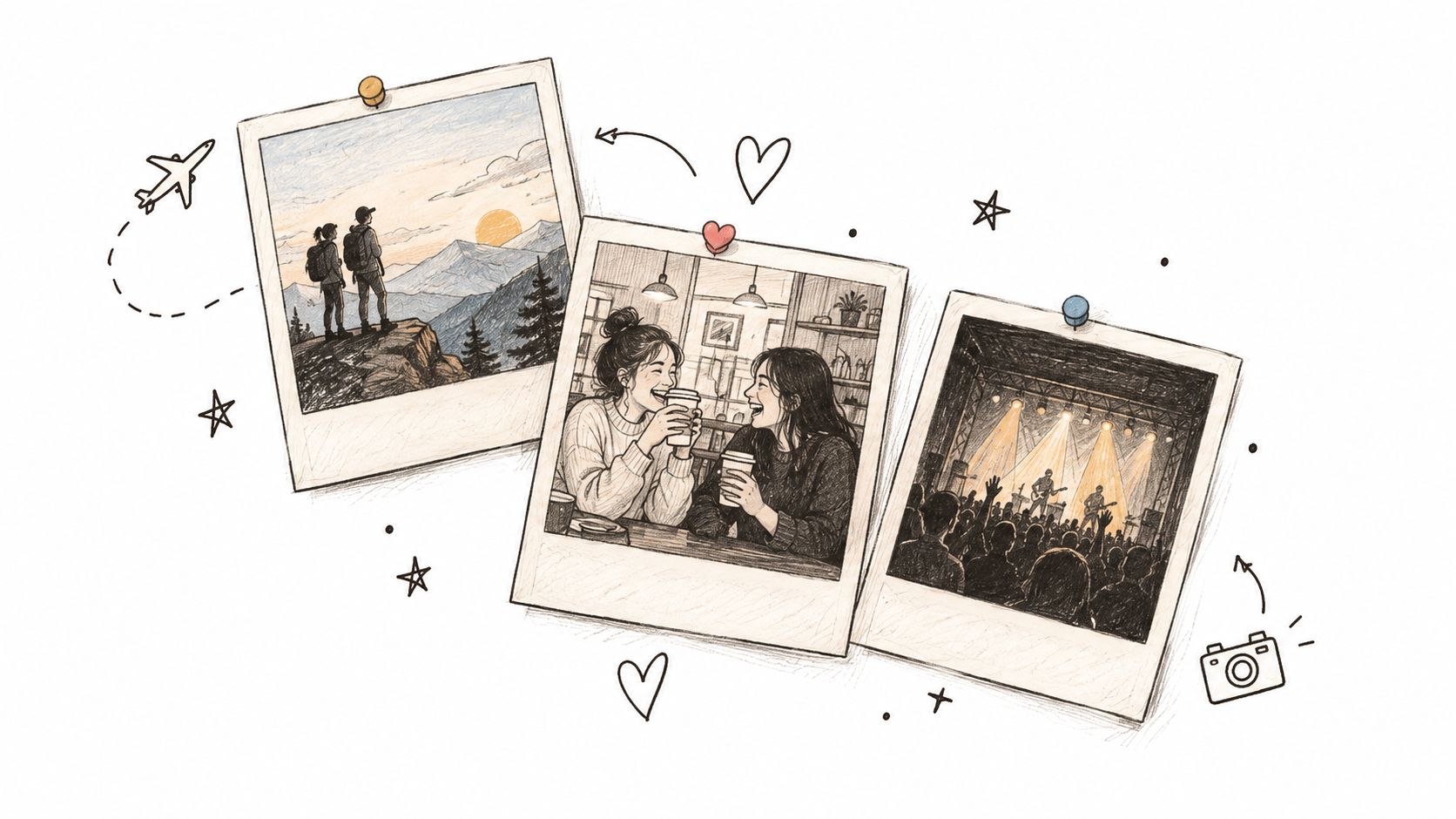
A nostalgic card works because shared history does half the emotional work for you. It says, “I remember where we started,” which makes the message feel earned instead of generic. That fits best friends who still laugh about old mistakes, old photos, and the moments that made the friendship real.
Why it works and how to shape it
Lead with a moment, not a compliment. That moment can be the day you met, the first road trip, or the stupid thing you both still quote when no one else is around. Historical summaries note that birthday cards have long been the most popular greeting card category, and that long-running popularity helps explain why birthday messaging still carries so much emotional weight today, especially when it feels personal and physical rather than rushed birthday card history.
Practical rule: If the friendship has a “before and after” moment, use it. If it doesn't, use a timeline of smaller memories instead.
A simple repeatable formula is, “Remember when [memory]? I still think about that because [why it matters]. Happy birthday to the friend who made that era better.” If you have photos, use them as anchors. If you don't, Mail This can generate visual artwork that feels like a memory montage, which is useful when you want the card to feel rich without hunting through old camera rolls.
The main risk is getting sentimental in a way that feels too polished or too long. Keep the message warm, but not essay-length. A short line, a private reference, and one honest closing sentence usually do more than a wall of text.
2. Humorous Roast and Compliment Card
A roast-and-compliment card works best when your friendship already has a safe teasing style. The emotional goal is simple. Make them laugh first, then leave them feeling seen. Birthday cards matter because they are one of the most common ways people mark a relationship with something physical and personal, and the Greeting Card Association reports that Americans buy about 6.5 billion greeting cards each year Greeting Card Association facts. Birthday cards make up more than half of all cards sold, which helps explain why this format gets so much use.
Build the joke in two moves
Start with a harmless roast, then turn quickly into a sincere compliment. That two-step pattern works because the joke creates energy, while the compliment tells your friend the teasing comes from affection. A short personal note also does more than a bare signature, so the message should feel like a real exchange, not a label on a gift.
If the joke would feel unfair read aloud, cut it.
A useful formula is, “Happy Birthday to the person who [funny trait]. You are impossible in the best way, and I'm lucky you are my best friend.” Keep the roast focused on habits they already laugh about, such as always being late, overordering, or pretending they hate attention while clearly enjoying it. Mail This can help here by turning a few joke ideas into preview-ready versions, so you can compare tone before anything is printed.
The design should support the joke, not compete with it. Clean spacing, one strong visual, and a readable font usually work better than a busy layout packed with punch lines. The final line should stay specific and warm, because that is the part they will remember after the laugh fades.
What to write in a birthday card can help you tighten the wording before you send the final version.
3. Inspirational Milestone and Future Vision Card
This card fits the best friend who is in the middle of a shift. They may be changing jobs, moving, building something, healing, or trusting themselves more than before. The goal is to honor what they have already done and point to what comes next, without sounding like a motivational poster.
Keep the praise grounded
The strongest version of this card uses one real achievement and one believable next step. That keeps the message from drifting into vague encouragement. A repeatable formula is, “You already proved [specific strength], and I know that's going to carry you through [next goal]. I'll be cheering you on the whole way.”
The 360iResearch greeting card market report notes rising demand for personalization and emotionally specific messages, which is why this style works best when the card mirrors a friend's actual life chapter greeting card personalization trends. If your friend just finished school, changed careers, or finally started the thing they talked about for years, name that shift directly. The card feels stronger because it shows you have been paying attention.
Best practice: Praise effort, not perfection. Encouragement sounds more believable when it reflects what you have actually seen.
Mail This can help by turning a few bullet points into smoother prose, which is useful when you know the feeling but not the exact wording. Pair the message with a photo from a recent win, or with AI-generated artwork that reflects their next chapter. A skyline, a studio desk, a hiking trail, or any image tied to their goal makes the card feel intentional.
The main risk is overpromising. Keep the future vision hopeful, but do not make it sound like you are predicting a flawless year. The strongest inspirational card says, “I believe in you,” while still sounding like a friend, not a coach.
4. Aesthetic Minimalist Card With Meaningful Simplicity
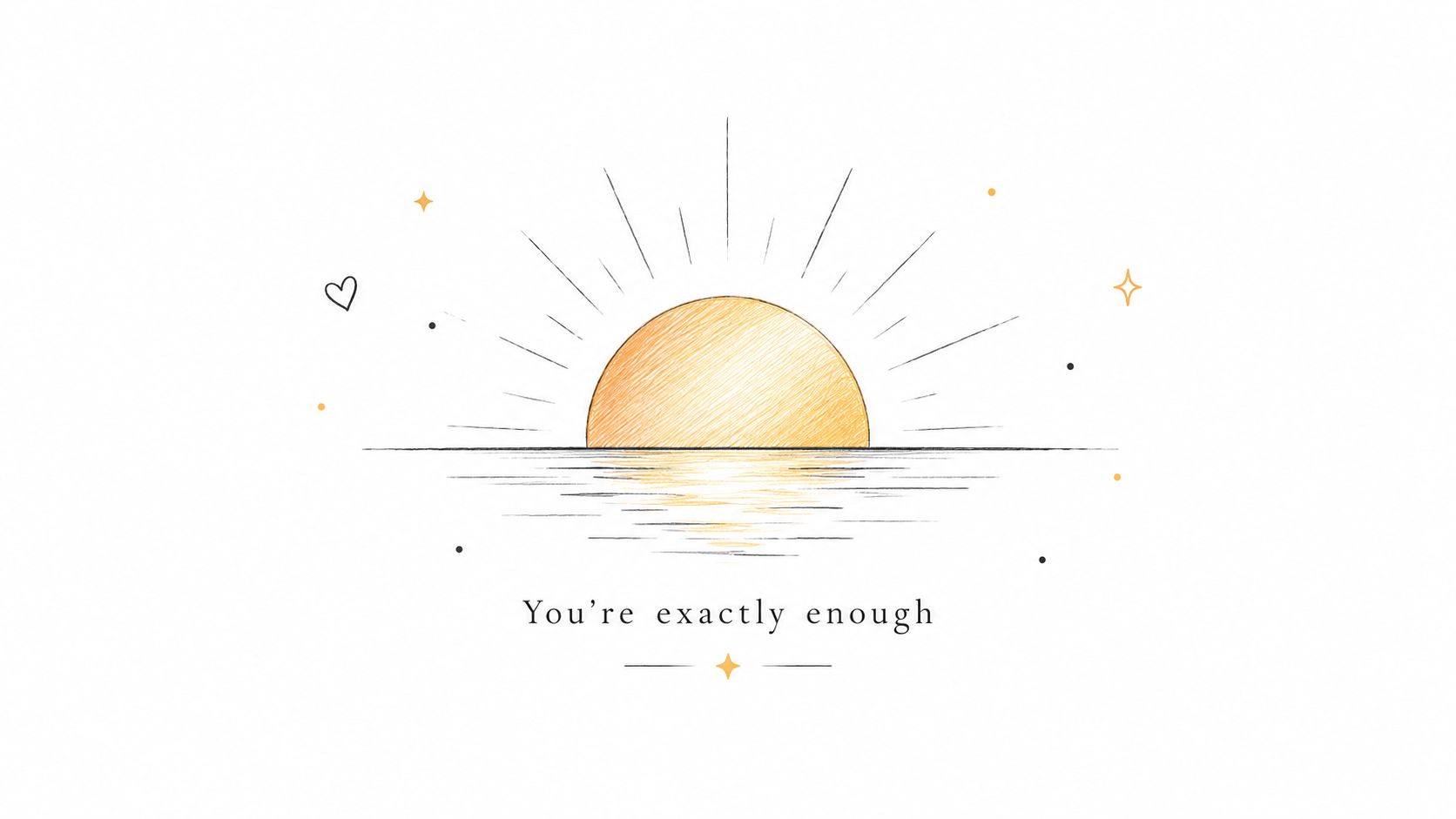
A best friend who likes clean design usually needs less text, not more. A minimalist card works because the image and the single line carry the emotion together, so any extra decoration starts competing with the message. It fits friends who notice spacing, balance, and cards that feel worth keeping.
Let the empty space do the heavy lifting
Restraint is the rule here. Too many words make the card feel crowded and weaken the point. A short line like “Grateful for you” or “Another year of being you” often works better than a longer note because the layout stays clean and the image has room to breathe.
Keep enough white space visible, or the card stops feeling minimalist.
A simple structure helps: one image, one feeling, one line. That formula works because the message does not have to fight with ornament. If you want the card to feel personal, choose a photo or illustration that matches your friend's style, then place the text where the eye lands naturally. Portrait layouts suit vertical images, while wide layouts work better for scenery or a wide open background.
Mail This can help you turn a clean idea into a preview-ready card without building the design yourself. That matters with minimalist work, because a soft image, awkward spacing, or a slightly off placement is obvious right away. A few small choices do most of the work here.
The risk is lack of warmth. Minimalism should still feel human, so the message needs to sound like something you would naturally say. One honest line and a thoughtful image are enough when the relationship already carries the emotion.
5. Personalized Inside Joke Visual Card
A birthday card built around one shared joke works best when the friend can recognize it at a glance. A recurring phrase, a strange animal obsession, a snack habit, or one memorable disaster becomes the emotional center of the card. The message is simple. “Only you and I get this.”
Turn the joke into a visual cue
Use one joke that already belongs to both of you, then give it a clear visual form. A fox in a party hat, a favorite snack, a car story, or that one phrase you both repeat can carry the whole design. Specific details make the card feel made for one person, not borrowed from a shelf.
Humor does appear often in adult birthday cards, but age-based teasing can drift into ageist territory more easily than a private joke. Research on birthday card humor and ageism shows that inside jokes are usually the safer choice because they stay playful without turning the birthday into a comment about getting older birthday card humor and ageism analysis.
Make the text and image agree
A strong formula is, “Happy Birthday to my favorite partner in [inside joke]. Here's to another year of [shared reference].” The visual and the caption should point to the same idea, the way a punchline lands best when the setup is clear. If the joke depends on a specific object, animal, or scene, Mail This custom artwork options can turn that idea into preview-ready artwork before you approve it.
The main risk is confusion. If the joke is too private, the card may only make sense to the two of you. Keep it understandable in one glance, even if the reference is delightfully odd. If you can already picture their reaction when they open it, the concept is probably strong enough.
6. Gratitude and Appreciation Deep Dive Card
A gratitude card works best when your friend has done more than make you laugh. It fits the person who has carried you through a rough patch, checked in without being asked, or made ordinary days feel lighter. The message should feel like a thank-you with a pulse.
Make gratitude specific enough to feel true
Start with one concrete moment, then explain why it mattered. A line like “I'm grateful for you” is a good opening, but it becomes memorable only when you attach it to real support.
Useful structure: name the support, name the impact, name the feeling.
A strong formula is, “I'm grateful for the way you [specific action], especially when [specific situation]. You made that time easier, and I never take it for granted.” That works because it sounds lived-in, not borrowed. It tells your friend exactly what you noticed.
The same relationship research suggests that naming specific support in a short note is what makes gratitude land, which is why the structure below stays compact holiday greetings and relationships study. You do not need a long letter. You need one clear reason they matter.
Mail This can help turn a few honest bullet points into a preview-approved card without flattening the feeling. Pair it with a photo where you both look happy and unposed, and the card will feel personal before anyone even reads it. The main risk is making the note sound heavy, so keep the tone warm and direct. Gratitude works best when it feels sincere, specific, and easy to read in one pass.
7. Milestone Birthday Celebration Card With Age-Specific Humor
Milestone birthdays need a little more shape because the age itself is part of the story. The best card acknowledges the number without turning it into the whole joke. That balance matters on birthdays like 30, 40, 50, or 60, where friends usually want recognition, not pity.
Use age as a frame, not the punchline
A strong milestone card says the age matters, then shows that your friend still feels fully themselves. If the joke is too sharp, the card starts to read like a warning label. If it is too flat, it misses the point of the milestone.
A workable formula is, “Happy [age]th Birthday. You've made this age look better than expected, and I'm still learning from your energy, humor, and timing.” You can also link the age to a trait that fits them, like confidence, wisdom, or calm, instead of falling back on wrinkles, tiredness, or other worn-out clichés. That keeps the card celebratory instead of defensive.
Milestone birthdays are the ones friends most often mark with a physical card, because the number deserves more than a text thread. Mail This helps turn that kind of message into a preview-approved card, so the joke, photo, and layout can be checked before anything is printed.
Keep the joke tailored to the person
A joke about getting older only works if it sounds like your friendship. If they like teasing age, you can push the humor a little farther. If they are private about aging, keep the joke gentle and put more weight on the compliment.
Good test: if the line would work for a different friend, it is probably too generic.
Mail This can help you compare joke versions alongside milestone-themed artwork, like a clean number design or a party-style layout. The main risk is the familiar cliché. If you have seen the joke in a dozen cards before, your friend probably has too. Add one detail that only makes sense in your relationship, and the card will feel made for them rather than copied from a shelf.
8. Interactive or Surprising Format Card With Personal Data
This one turns reading the card into an experience. Fold-outs, reveals, quizzes, and fill-in style structures all make the birthday feel more playful because the recipient has to do something, not just read something. That works especially well for a best friend who likes novelty.
Keep the surprise simple enough to print well
Mail This prints standard folded cards, so the interactive idea should still fit a normal card format. That means the surprise should be built around what's visible on the outside, what appears inside, and what the reader discovers on the second panel, not around complicated origami. The cleaner the reveal, the better the result.
A repeatable formula is, “Front panel teaser. Inside, one reveal. Back panel, one final line that ties it together.” You can make it personal with simple data, like shared memories, inside jokes, or a mini quiz about the friendship. Just make sure the data feels real and not randomly generated for the sake of looking clever.
Let the preview catch the mistakes
The advantage of a preview-and-approval flow is obvious here, because interactive cards depend on placement and visibility. If a hidden line is too small, the reveal loses its punch. If a prompt is too vague, the friend won't know what to do next. A preview helps catch those problems before the card is printed and mailed.
Test the card once on yourself. If the reveal feels awkward in your hands, it will feel awkward in theirs.
The best interactive cards are fun, but not fussy. A folded card with a reveal, a small quiz, or a simple fill-in format can be enough. Mail This can move that idea from conversation to preview-approved physical mail, which is especially useful when you want surprise without sacrificing readability.
Types of greeting cards can help you compare formats before you choose the final structure.
8 Birthday Card Ideas for Best Friend, Comparison
| Style | 🔄 Implementation complexity | 💡 Resource requirements & tips | ⚡ Speed / Effort | ⭐ Expected quality / outcome | 📊 Ideal use cases / key advantages |
|---|---|---|---|---|---|
| Nostalgic Memory Lane Card | 🔄 Medium–High: photo collage + timeline layout | 💡 Requires multiple photos or clear memories; use AI artwork if needed; allow writing time | ⚡ Moderate → Slow | ⭐⭐⭐⭐ High emotional resonance, memorable keepsake | 📊 Long-term friendships, anniversaries; advantage: deeply personal, nostalgia-triggering |
| Humorous Roast & Compliment Card | 🔄 Medium: tone balancing and joke-testing | 💡 Needs sense-of-humor awareness; use AI to generate options; avoid sensitive topics | ⚡ Fast → Moderate (iterative revisions) | ⭐⭐⭐–⭐⭐⭐⭐ Funny and shareable when tone lands | 📊 Friends with strong humor; advantage: laughter-first impact, often displayed |
| Inspirational Milestone & Future Vision Card | 🔄 Medium: requires knowledge of accomplishments & goals | 💡 Research current goals; use motivational imagery; be specific and sincere | ⚡ Moderate | ⭐⭐⭐⭐ Inspiring and supportive; keepsake for motivation | 📊 Career changes, graduations, life transitions; advantage: encouragement + long-term value |
| Aesthetic Minimalist Card with Meaningful Simplicity | 🔄 Low–Medium: design-focused, minimal copy | 💡 Needs high-quality imagery and confident typography; limit text to 1–5 words | ⚡ Fast (if assets ready) | ⭐⭐⭐–⭐⭐⭐ Elegant, visually impactful with low misinterpretation risk | 📊 Design-conscious friends; advantage: displayable, sophisticated |
| Personalized Inside Joke Visual Card | 🔄 Medium–High: precise translation of joke to imagery | 💡 Requires deep shared history; use AI to visualize abstract jokes; include text callback | ⚡ Moderate | ⭐⭐⭐⭐ Highly memorable for insiders | 📊 Long-running inside jokes; advantage: unique, immediate emotional connection |
| Gratitude & Appreciation Deep Dive Card | 🔄 Medium: introspective writing and specificity needed | 💡 List 3–5 concrete ways they've impacted you; AI can refine prose; pair with a photo | ⚡ Moderate | ⭐⭐⭐⭐⭐ Extremely meaningful; high reread/reuse value | 📊 Supportive friendships, emotional moments; advantage: fosters vulnerability and validation |
| Milestone Birthday Celebration Card with Age-Specific Humor | 🔄 Medium: balance humor with respect for sensitivity | 💡 Personalize age jokes; research cultural milestone cues; use AI for multiple options | ⚡ Fast → Moderate | ⭐⭐⭐–⭐⭐⭐⭐ Timely and relevant when personalized | 📊 30/40/50+ milestone birthdays; advantage: celebrates aging positively and humorously |
| Interactive or Surprising Format Card with Personal Data | 🔄 High: structural design + print/preview verification | 💡 Keep interactions simple; provide clear formatting; use preview to confirm reveals | ⚡ Slow (more design & approval steps) | ⭐⭐⭐⭐ High engagement and memorability | 📊 Detail-oriented friends; advantage: standout format, prolonged emotional engagement |
Choose the Feeling You Want to Send
The easiest way to pick among birthday card ideas for best friend is to start with the emotional job of the card. Choose nostalgia if your friendship has history worth revisiting. Choose a roast if humor is the bond you trust most. Choose encouragement if your friend is in a new chapter. Choose minimalism if design matters more than volume. Choose an inside-joke visual if your friendship is built on private comedy. Choose gratitude if you want to be emotionally direct. Choose milestone humor if the age itself deserves a nod. Choose an interactive format if you want surprise to do the heavy lifting.
Before you send anything, run a quick check. Name one specific detail that only belongs to this friendship. Match the humor level to what your friend enjoys. Pick artwork that reinforces the message instead of competing with it. Preview the wording and layout so you know the card reads clearly. Then confirm the destination, timing, and delivery coverage before you rely on the mailing plan.
Mail This fits well when you already know the feeling but need help turning it into a finished card. The approval-first workflow makes it easier to move from a rough idea to something you'd be proud to send. Just keep in mind that shipping coverage and arrival timing should be checked before you place the order, because the safest plan is always to allow an estimated arrival window rather than assume a guaranteed date.
Mail This helps you turn a short thought, photo, or joke into a real birthday card without guessing how it will look in print. If you want a best-friend card that feels personal, previewed, and ready to mail, visit Mail This and build the message before the birthday sneaks up on you.