You're standing in the greeting-card aisle with a blank card in your hand, trying to think of something better than “Happy Birthday, Uncle.” The right words depend on who he is to you: a shared memory for the sentimental uncle, an affectionate roast for the one who loves a joke, or a concise thank-you for someone who'd rather skip a long note.
These eight approaches make it easier to match the message to his personality, your shared history, and the humor that feels natural between you. Pick one detail you can say, then decide whether it calls for a warm note, a laugh, or just a few direct words. Artwork should support that choice, not compete with it.
If you'd rather turn a quick idea into a physical card without heading back to the store, Mail This offers an approval-first preview of the design and message before you pay. Its base price is $9.99, including domestic postage, with delivery to supported U.S. destinations. The core principle is simple: specificity makes a card feel personal, but the tone must fit the recipient.
Table of Contents
- 1. The Heartfelt Memory Message
- 2. The Playful Roast
- 3. The Hobby-Themed Message
- 4. The Gratitude and Mentorship Note
- 5. The Short and Sweet Note
- 6. The Kid-Written Message
- 7. The Pun-Based Greeting
- 8. The Long-Distance Uncle Message
- 8 Birthday Card Messages for Uncle: Comparison Matrix
- Choose One Detail, Match the Tone, and Make It Yours
1. The Heartfelt Memory Message
A shared memory can say more than a long list of compliments. Choose a moment that belongs to the two of you, such as an early fishing trip, a winding road trip, or a small kindness from when you were a child. Then connect it to what you value about your uncle now.
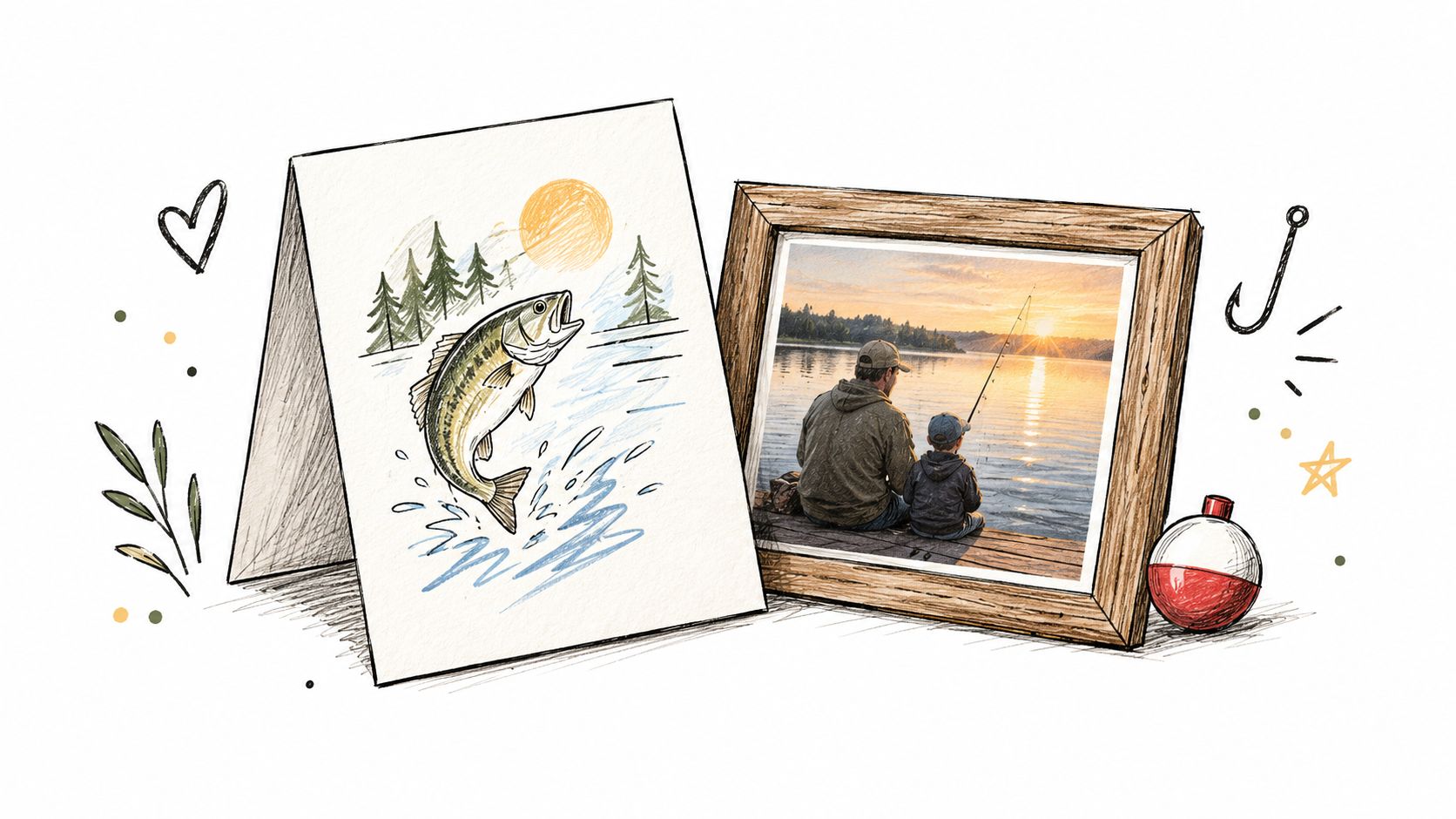
Keep the memory focused: One vivid detail feels more personal than a catalogue of everything you've done together.
For example: “Thanks for teaching me to bait a hook at the lake when I was seven. I still think about those early mornings. Happy birthday, Uncle Mark. I hope this year is as good as you've been to me.”
The memory gives the greeting a reason to exist. Instead of calling him “the best uncle,” you show him what you remember and why it stayed with you. That's especially useful when your relationship is close, but you don't usually put your feelings into words.
Keep the ending brief and direct. If you have a rough draft but can't get it to sound like you, use an AI assistant to tighten the wording, then read the final message before approving it. For more ideas on shaping a card note, see this guide to birthday card messages. Mail This typesets approved wording separately from artwork, so the message remains legible and exact in the final design.
2. The Playful Roast
A roast works when teasing is already part of your relationship. Aim for a familiar quirk, not a sensitive subject, and make sure the card ends with affection so the joke can't be mistaken for a dig.

“Happy birthday to the only man I know who can fall asleep during a fireworks show. Another year older, same great taste in snacks. Love you, Uncle Dave.”
That message pokes fun at a harmless habit and makes its fondness clear. You could build the same kind of line around his snack choices, his determination to tell one more story, or his ability to find a comfortable chair at any family gathering. Skip jokes about health, weight, or memory loss. A birthday card should make him feel included in the joke, not targeted by it.
Make sure the joke sounds affectionate
Ask an assistant for a few joke options if you're stuck, but choose the one you'd say to his face. Then read the full message aloud. If the laugh depends on a sharp punchline and the affection is hard to hear, soften it or use another approach.
The artwork can keep the mood light: party glasses, confetti, or a playful portrait will support a short roast without adding another joke. Check that the image and wording feel like they belong together before you approve the design.
3. The Hobby-Themed Message
Build the card around one thing your uncle enjoys. It might be golf, fishing, football, gardening, woodworking, or cooking. A specific hobby gives you an easy route to a personal message, even if you don't share an especially long history.
“Happy birthday, Uncle Ray. Wishing you a year full of good lies on the golf course and perfect tee shots. Your favorite nephew is cheering from the clubhouse.”
The joke fits the setting, and the wish still sounds like a birthday greeting. You can use the same approach for a gardener who knows every plant in the yard, a woodworker who always has a project underway, or an uncle who takes his cooking seriously. Mention one hobby and use its details to shape the language. A card that tries to cover golf, cooking, and football all at once can feel less personal, not more.
Let the image do some of the work
Match the artwork to the interest: a simple fishing scene for an angler, a garden illustration for a keen gardener, or a clean golf-course motif for the uncle who's happiest on the fairway. Keep the image uncluttered so it doesn't distract from the message.
If you use AI-generated artwork, check the final preview to make sure it reflects the hobby you chose. The message should remain easy to read, and the image should reinforce the joke or wish rather than introduce a different theme.
For a visual example of how a hobby can shape a birthday card, take a look at this birthday-card video.
4. The Gratitude and Mentorship Note
Some uncles are the person you call when you need steady advice. Maybe he helped you prepare for your first job, guided you through a school decision, or showed you how to check the oil. A birthday card gives you a natural chance to thank him without turning the note into a speech.
“Happy birthday, Uncle Tom. You taught me to measure twice and cut once, and you were right about most things, including that I should always check the oil. Thank you for being someone I could call. I hope your day is as steady as you are.”
That example works because it names a lesson and links it to a real relationship. The small bit of humor keeps the gratitude warm rather than formal. If he gave you practical guidance, mention the advice; if he showed up when you needed support, say what that meant to you.
Choose one example and keep the focus on your uncle. The card isn't the place to recount every problem he helped you solve. A concise draft is easier to read and often feels more sincere. If you want help refining it, use an assistant to make the wording clearer, then review the final message yourself. Mail This's approval-first flow lets you confirm the wording before any card is sent. You can find more prompts in this birthday card message guide.
5. The Short and Sweet Note
Not every uncle wants a long message. If he prefers direct conversation, or if you're writing in a card with a simple design, a short note can feel more natural than several lines of praise.
“Happy birthday, Uncle Joe. Thanks for always being in my corner. Have a great one.”
The note is brief, but it isn't empty. “Always being in my corner” gives it a personal point of view. You can make your own version feel specific with one true detail: thanks for the good advice, for showing up, or for making family gatherings fun. Don't add an elaborate memory just to make a short greeting longer.
A minimalist message benefits from clean artwork. Choose a simple color, a small celebratory illustration, or a photo with open space around it. The design should leave the words room to breathe.
Before you approve the card, check that the wording is clearly separated from the image. Short messages are easy to scan, but they still need to stand out. If you're sending a card on behalf of several family members, make sure the signature line names everyone who's meant to be included.
6. The Kid-Written Message
A child's birthday greeting doesn't need polished phrasing. Its charm comes from sounding like the child, so keep their words and let an adult make only the edits needed for clarity.
“Happy birthday Uncle Sam! You are the best at playing catch. I hope you get a big cake and lots of hugs. Love, Emma and Leo.”
The message gives Uncle Sam a clear reason to smile: it reflects something he does with the children. Ask the child what they like doing with him, then use their answer as the centre of the note. A simple line about playing catch, reading stories, or sharing a favourite snack will feel more genuine than a grown-up sentence written in a child's name.
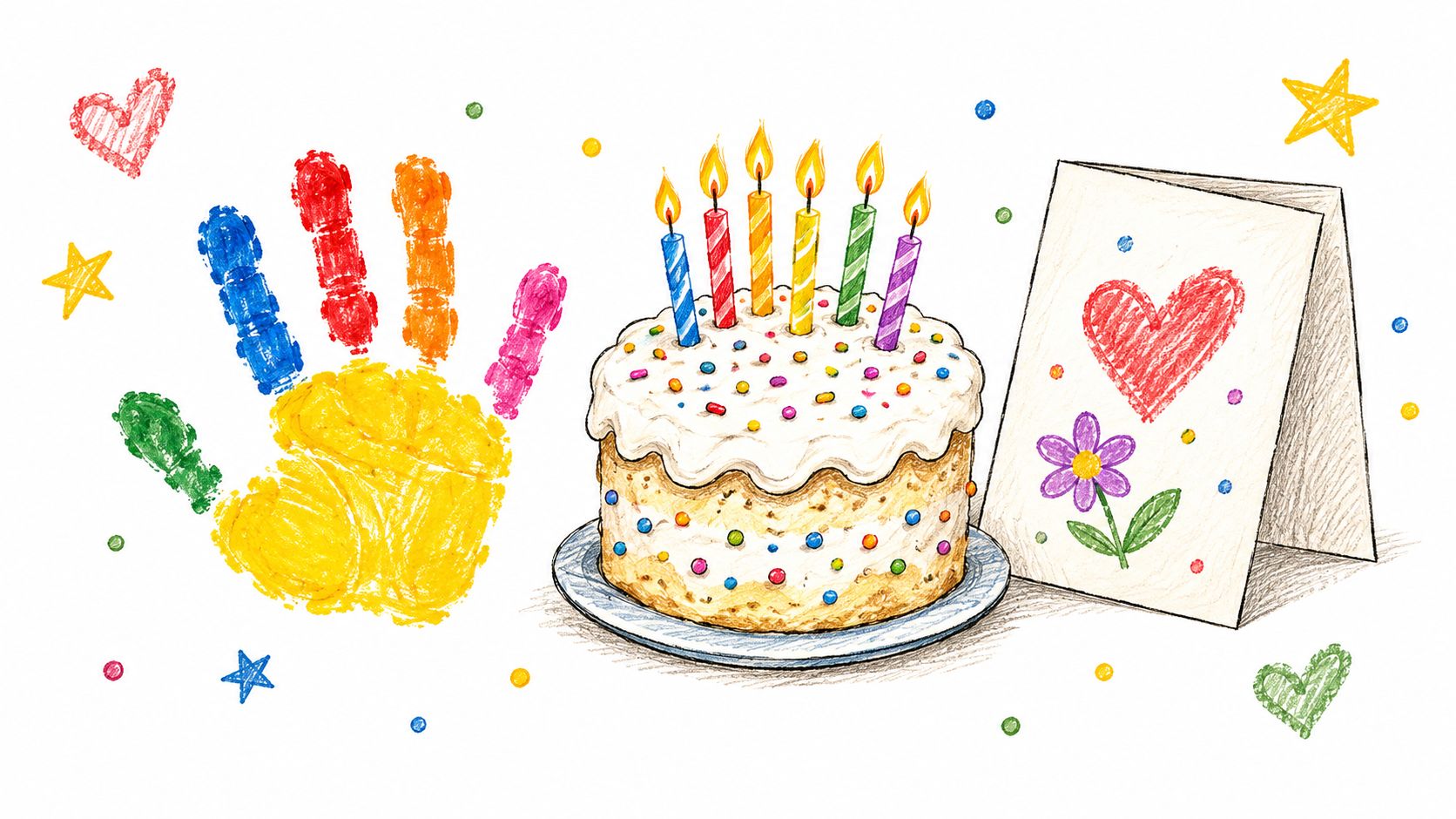
Keep the artwork bright and uncluttered. One cheerful image can make the card feel handmade without crowding out the child's words. If there's a drawing or photo, check that it fits the message rather than making the front too busy.
Read the final card with the child before approving it. Confirm the name, spelling, and signature line, especially if more than one child is signing. The aim is to preserve their voice, not to make it sound like an adult wrote every word.
7. The Pun-Based Greeting
A good pun fits the person or the joke your family already shares. It can be a quick line about an uncle's hobby, his name, or a familiar phrase. The trick is to keep the wordplay simple and give it a sincere landing.
“Happy birthday, Uncle Gary. You're one year older and still the most ‘grate' uncle around. Enjoy your day!”
The pun is the centre of the card, so don't add several more just to fill the space. If your uncle is a keen cook, you might use a food-related line; if he loves a particular sport, build the joke around that. Keep the wording clear enough that he gets it on the first read.
Keep the joke light
Ask a family member who knows your uncle to test the line before you send it. If they can't tell whether it's meant as a joke or a compliment, make it clearer. One short pun followed by a warm closing is usually enough.
An AI assistant can suggest several options based on your uncle's name or hobby, but treat them as drafts. Choose the one that sounds like your family's humour, and check the final message for awkward phrasing. The best pun feels like something you'd say at the birthday table, not a joke pasted in from somewhere else.
8. The Long-Distance Uncle Message
For an uncle who lives far away, acknowledge the distance without making the whole card sound sad. A warm note can name what you miss, then point toward a call or visit you'd like to make.
“Happy birthday, Uncle Frank. I miss our long talks and hope we get to catch up in person soon. Until then, a card from me is the next best thing. Love you.”
That message stays honest about the gap while showing that the connection still matters. Make it more personal by naming a particular conversation, visit, or plan. “Let's catch up soon” is kind; “I'll call you this weekend” gives the message something concrete to follow.
A physical card can make the greeting feel more present than a quick text, especially when you can't celebrate together. Mail it with time for delivery, and check the order-status page for the estimated arrival window. Delivery dates aren't guaranteed, so don't leave the order until the birthday itself.
Before ordering, confirm the recipient's address and that the destination is supported. For additional wording inspiration, explore these birthday card messages for Dad, then adapt the style to your uncle and your own relationship. Avoid copying a family role or shared history that doesn't fit.
8 Birthday Card Messages for Uncle: Comparison Matrix
| Message Style | 🔄 Implementation Complexity | ⚡ Resources / Effort | 📊 Expected Outcome | ⭐ Ideal Use Case | 💡 Key Advantage |
|---|---|---|---|---|---|
| Heartfelt Memory | Low–moderate | Recall one specific shared memory | Personal, keepsake-worthy message | Close uncle who appreciates sincerity | Makes the card feel uniquely personal |
| Playful Roast | Low | Choose a suitable joke and check the tone | Memorable, humorous greeting | Uncle who enjoys affectionate teasing | Breaks the ice without a long message |
| Hobby-Themed | Low–moderate | Know one current hobby or favorite team | Specific greeting that reflects his interests | Uncle with a well-defined hobby | Easy to pair with matching artwork |
| Gratitude and Mentorship | Low–moderate | Recall one lesson or example of support | Warm, meaningful expression of appreciation | Uncle who has been a mentor or steady presence | Recognizes his influence directly |
| Short and Sweet | Low | Write one or two direct sentences | Clear, understated greeting | Busy sender or uncle who prefers brevity | Fast to write and easy to read |
| Kid-Written Message | Low–moderate | Gather the child's input; review for clarity | Charming, family-centered greeting | Families sending a card from children | Preserves the child's voice |
| Pun-Based Greeting | Low | Find one relevant pun and check that it lands | Lighthearted, easy-to-remember message | Uncle who enjoys wordplay and dad jokes | Quick to write and naturally playful |
| Long-Distance Uncle Message | Moderate | Mention a plan to reconnect and allow mailing time | Reinforces connection across distance | Uncle who lives far away | Physical mail makes the greeting tangible |
Choose One Detail, Match the Tone, and Make It Yours
A personal birthday card doesn't need an elaborate story or a perfect line. It needs one detail that belongs to your uncle and wording that sounds like you. Start with this repeatable method: choose one defining detail, match the tone to his communication style, and select artwork that supports the message without overpowering it.
Use the detail to decide which approach fits:
- Choose a memory when you're close and want to mark something you've shared.
- Choose a roast or pun when humour is already part of how you talk.
- Choose a gratitude note when he has guided or supported you.
- Choose a hobby theme when you share an interest or know what he loves doing.
- Choose a child-written message when the card is from younger family members.
- Choose a long-distance note when the physical card itself helps bridge the gap.
Keep the relationship honest. If you rarely see your uncle, don't invent a closeness or a memory you don't have. A brief, warm greeting that sounds natural will land better than a dramatic note that doesn't fit. And if your family has a particular way of addressing him, use it. The name or relationship label should sound like the one you'd use in conversation.
Before ordering, review every name, relationship label, joke, photo, and signature. If you're using Mail This, check the final preview, recipient address, shipping coverage, estimated arrival window, and total before approval. The preview lets you confirm what will be sent, while the approval-first process keeps the card from moving forward until you've checked the details.
Write down three details that are unique to your uncle. Choose only the one that makes the clearest, most natural card, and build the message around it.
Mail This helps turn a short idea, personal photo, or custom artwork into a physical greeting card, with an approval preview before payment and domestic postage included in the base price. If you've chosen what to say to your uncle, visit Mail This to create a card, review the design and recipient details, and approve it before it's sent.